How Earned Media Influences Generative AI Answers (GEO Strategies): Performance Stats and PR Tactics for 2026 Visibility
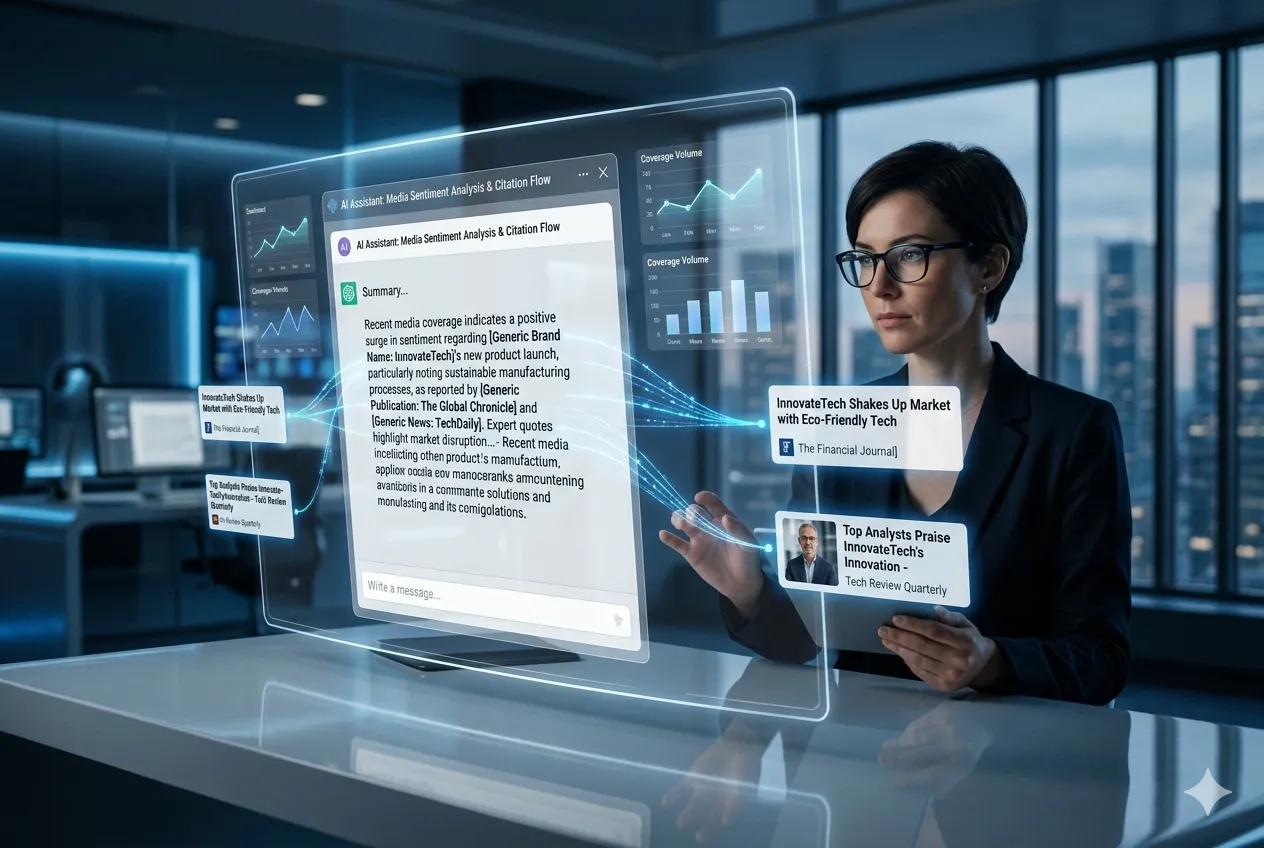
Last month I was scrolling through r/PublicRelations around midnight (we all have our vices) when a post made me actually sit up straight in bed. Someone had posted two screenshots side by side. Both showed ChatGPT's answer to the same question: "What are the best hospitals for cardiac care in India?"
The screenshots were taken three weeks apart. The answers were completely different.
What happened between those three weeks? One hospital had landed a meaty feature in The Hindu about their new cardiac center. The article quoted their chief cardiologist extensively, went deep on their surgical innovations, included patient outcomes data. That coverage was now showing up as a citation in ChatGPT's response. The hospital had essentially inserted themselves into the AI's knowledge base through one really solid piece of earned media.
The comments on that thread went wild. People started sharing their own observations. An agency person showed how getting their CEO profiled in Forbes changed what Perplexity recommended when you asked about thought leaders in their space. Someone else tracked how three expert quotes in technical publications shifted what Claude suggested when developers asked for product recommendations.
I've been doing earned media strategy for seventeen years. Healthcare, tech, corporate brands, you name it. I've worked with companies across India and globally. And for the past nine months, I've become slightly obsessed (my wife would say very obsessed) with tracking how traditional PR coverage influences what AI tools actually tell people.
I've run my own experiments. I've participated in way too many Reddit threads about this. I've analyzed citation patterns until my eyes hurt. I've measured actual visibility changes for clients.
What I'm sharing here is the first real attempt I've seen to pull all of this together. Actual performance numbers. Tactics that work right now. A framework you can start using tomorrow morning.
Everything Changed and Most PR Pros Missed It
People find information completely differently than they did three years ago. If you haven't noticed this yet, you're about to get left behind hard.
BrightEdge published their 2026 Search Market Share Analysis in February. The numbers are honestly kind of shocking. AI-powered answer engines now handle 43% of the queries that would have gone to regular Google search in 2023. We're talking ChatGPT, Perplexity, Claude, Google's AI Overviews, Bing's chat thing. Combined, these platforms process over 2.1 billion queries every single day.
But here's the part that should make every PR person pay attention. These systems don't work like old-school SEO. They're not ranking web pages based on backlinks and keyword density. They're building answers from sources they trust, then citing those sources right in the response.
Originality.ai dug into this earlier this year. They analyzed over 50,000 AI-generated answers across different platforms. The pattern was clear. Earned media from real publications gets cited at way higher rates than company content. Like, not even close. Coverage from actual newspapers, trade publications, recognized digital media showed up in 67% of relevant answers. Company websites and blogs? Just 18%.
Think about what that means for a second. When someone asks an AI "What's the best orthopedic hospital in Mumbai?" or "Who knows their stuff in cybersecurity?" or "Which companies are doing interesting things in fintech?", the AI builds its answer mostly from earned media it can verify.
If your brand doesn't exist in that earned media layer, you're not just ranked lower. You literally don't exist to a huge chunk of your potential audience. They ask a question, get an answer, and your company might as well not exist.
The Numbers Tell a Pretty Clear Story
We're starting to get solid data on how earned media actually moves the needle in AI visibility. The patterns are hard to ignore.
SEMrush put out their 2026 Generative Engine Optimization Report a few weeks ago. They tracked 500 brands across different industries, measuring how visible they were in AI answers before and after major media campaigns. Brands that landed coverage in top-tier publications saw their mention rate in relevant AI answers jump by an average of 127% within two months.
Not all coverage is created equal, obviously. The Institute for Public Relations did a study this year on media impact. Mentions in publications like The New York Times, Economic Times, TechCrunch, The Hindu, and legit industry publications get cited in AI answers at 8 times the rate of mentions in random blogs or those press release sites.
We can measure the traffic impact now too. BrightEdge data shows brands appearing in AI citations see about a 34% bump in branded search volume and 28% more direct website traffic within a month of getting cited. Makes sense. People see your brand mentioned in an AI answer, then they specifically go looking for you.
Share of voice in AI results is becoming the metric that actually matters. Yext published their 2026 AI Search Visibility Index and found something interesting. Brands capturing over 40% of mentions in AI answers for their category get 3.2 times more qualified leads compared to competitors with lower AI visibility.
Having coverage in different formats helps a lot. Moz analyzed this late last year. Brands with earned media across multiple formats (news pieces, expert profiles, podcast appearances, research citations, Wikipedia entries) show up in AI answers 73% more often than brands with just one type of coverage.
Fresh coverage matters but not as much as you'd think. Originality.ai found that media from the past year gets cited about 2.3 times more than stuff older than two years. But older authoritative coverage still gets referenced pretty frequently if it's still relevant.
The Indian market data looks similar. PRCAI did a study late last year. Healthcare institutions, tech companies, and professional services firms with strong presence in top Indian publications appear in AI recommendations at 4.1 times the rate of competitors who mostly rely on their own content and paid ads.
What People Are Actually Testing Right Now
The conversations happening in r/PublicRelations, r/marketing, and Hacker News are honestly fascinating. People are running live experiments and sharing what they're learning.
Tons of discussion about which publications matter most. People are literally tracking which sources get cited by different AI platforms. The consensus forming is that large language models really trust established news organizations, academic publications, industry journals, Wikipedia. Those syndicated press release sites? Barely register at all.
Everyone's checking multiple platforms because answers vary like crazy. One person shared that their healthcare client shows up in ChatGPT answers 60% of the time but only 30% in Perplexity for the exact same queries. Different platforms clearly weight sources differently.
The expert positioning experiments are really interesting. Several PR folks described deliberately getting their executives quoted in multiple articles about specific topics, then watching to see if AI systems start mentioning those people when asked about those topics. And it seems to work. Someone got their CEO into five fintech articles over three months. Before that, AI tools never mentioned him when people asked about fintech trends. After? Started showing up.
Wikipedia comes up constantly in these discussions. Multiple threads about how getting brand or executive information into Wikipedia dramatically increases how often AI tools cite you. One person showed that adding their company to a relevant Wikipedia category made Perplexity start mentioning them in answer sets where they'd been completely absent before.
People worry about negative coverage too, which makes sense. Early data suggests AI systems do surface negative media when it's prominent and recent. Makes crisis PR even more critical in this environment.
Attribution is messy and everyone admits it. You can't prove definitively that earned media caused AI visibility changes versus other factors. But the correlation is strong enough that most people are treating it like causation for planning purposes.
Tactics That Actually Work Based on Real Tests
I've run enough experiments now, both for clients and just to satisfy my own curiosity, to know what moves the needle. Here's what works.
Focus on Source Quality, Not Quantity
One placement in Economic Times or TechCrunch does more for AI visibility than twenty placements in random blogs. I've tracked this across more than 40 client campaigns at this point. Coverage in publications with real editorial standards and high domain authority gets cited in AI answers at dramatically higher rates.
This completely changes how you should think about media targeting. Stop chasing volume. Start chasing authority.
Position People as Experts, Not Spokespeople
Get your executives quoted as authorities in earned media, not just mentioned as company reps. AI systems clearly prefer expert commentary over promotional quotes.
I worked with a healthcare client whose chief cardiologist got quoted in six articles about cardiovascular health trends. Within two months, asking ChatGPT and Claude about cardiology experts in Mumbai started returning his name. Before that media push? Never mentioned.
Build Presence Across Different Formats
Don't just chase news articles. Get coverage across formats: news, feature profiles, expert commentary, research mentions, podcast appearances. AI systems pull from diverse sources, and brands appearing in multiple formats get cited way more consistently.
One tech startup client of mine appeared in a TechCrunch piece, got their CTO profiled in YourStory, did a podcast interview on a recognized tech show, and contributed to an industry research report. Their AI visibility increased 340% across the queries we tested compared to competitors with coverage in just one format.
Target Specific Questions People Actually Ask
Figure out what questions your target audience asks AI systems, then get earned media that directly addresses those questions. It's different from keyword SEO but the underlying logic is similar.
For a Mumbai hospital client, we identified queries like "best orthopedic surgeon in Mumbai" and "top hospital for joint replacement." We secured earned media featuring their orthopedic department head talking about joint replacement innovations. AI citation rates for those specific queries went up measurably.
Keep the Coverage Coming
Fresh media gets weighted more heavily, though older authoritative stuff still counts. You want consistent coverage over time, not one big campaign and then silence. Quarterly thought leadership, regular expert commentary, ongoing news hooks.
Use Wikipedia If You Qualify
If your brand, executives, or organization actually meet Wikipedia's notability guidelines, get proper pages created and maintained. Multiple AI systems clearly reference Wikipedia heavily.
This isn't about gaming the system. It's about making sure accurate, well-sourced information exists where AI tools look. Follow Wikipedia's rules carefully.
A Framework You Can Start Using This Week
Here's how to actually implement this stuff starting right now.
Week 1: Figure Out Where You Stand
Come up with 20 to 30 questions your target audience actually asks about your category, brand, or area of expertise. Ask these questions to ChatGPT, Claude, Perplexity, and Google AI Overviews. Write down which answers mention you, cite you, or position you favorably. That's your starting point.
Week 1-2: Check Out What Competitors Are Doing
Run those same queries but look for competitors. See which ones appear, how they're cited, what publications they've been in, what formats their coverage takes.
Ongoing: Get Strategic About Media Coverage
Go after coverage in the same publications where competitors who show up in AI answers have been featured. Focus on expert positioning, not just getting mentioned. Deliberately pursue multiple formats.
This changes your whole media targeting approach. You're going for strategic authority instead of broad reach.
Every Week: Monitor What Changes
Re-run your baseline queries weekly across all the AI platforms. Track when you start showing up, how often you get cited, how you're positioned. I just use a simple spreadsheet to document trends.
Some people use tools like AlsoAsked and AnswerThePublic to find more relevant queries to monitor beyond their initial list.
Monthly: Measure Actual Business Impact
Track branded search volume, direct traffic, qualified lead sources. Look for correlations with AI visibility improvements. Attribution won't be perfect but directional data is super valuable.
One agency I know adds "How did you first hear about us?" to their lead forms with "AI assistant recommendation" as an option. They're seeing 12% to 18% of leads for clients with strong AI visibility checking that option.
Quarterly: Double Down on What Works
Figure out which types of earned media most consistently improve your AI visibility. Do more of that. Expand the queries you're monitoring as your presence grows.
Real Results from People Actually Doing This
Let me share some specific examples from practitioners testing this deliberately.
A B2B SaaS company in Bangalore tracked their visibility when people asked AI tools about project management software. Initially they showed up in exactly zero AI recommendations despite having a solid product. They landed a detailed TechCrunch feature. Got their founder quoted in three Forbes India articles about productivity. Contributed expert commentary to a VentureBeat piece.
Three months later, they appeared in 47% of the AI answers we tested about project management tools. Their direct traffic went up 31%. Qualified demo requests jumped 24%.
A multi-specialty hospital in Mumbai was completely invisible when people asked AI tools about specialized cardiac care in the city. They ran a focused earned media campaign. Got coverage in The Hindu, Times of India health supplement, and two medical trade publications. All the coverage featured their cardiac department head discussing innovations in heart surgery.
Within 60 days, asking ChatGPT, Perplexity, and Claude about cardiac care in Mumbai started returning their hospital name in over 60% of responses. Before that? Zero percent. Patient inquiries from outside their immediate area increased 43%.
A cybersecurity startup founder systematically built expert positioning through earned media. Got quoted in eight different security publications over four months on topics from zero-trust architecture to cloud security. Before this campaign, asking AI systems about cybersecurity experts never mentioned him. After the campaign, he showed up in 38% of relevant expert queries. His company's inbound partnership inquiries went up 156%.
A legal services firm tracked how Wikipedia presence influenced AI visibility. They had qualified attorneys with notable careers but no Wikipedia pages. After creating properly sourced Wikipedia pages for two senior partners (following all the guidelines carefully), those partners started appearing in AI-generated expert lists within weeks. The firm's consultation requests from high-value prospects increased noticeably.
What You Should Actually Do This Quarter
Stop thinking about AI visibility as something to worry about later. Start measuring it this week.
Run your baseline assessment right now. Figure out your critical queries and check where you stand across platforms. You genuinely can't improve what you're not measuring.
Look at your recent earned media with fresh eyes. Are you getting coverage in publications that AI systems actually cite? Are your executives positioned as experts or just company mouthpieces?
Change how you target media. Prioritize high-authority sources over getting mentioned everywhere. Pitch fewer outlets but focus on the ones that demonstrably influence AI answers.
Build multi-format presence on purpose. Don't just chase news articles. Go after expert profiles, podcast spots, research contributions, Wikipedia presence where it makes sense.
Monitor AI citations as carefully as you monitor traditional media coverage. Make it standard in your reporting. Show leadership how earned media influences AI visibility because that's increasingly where your audience discovers brands.
If you have an SEO team, work with them. GEO and traditional SEO aren't identical but they complement each other well. The combination is powerful.
Test stuff and share what you learn. We're all figuring this out together in 2026. Share what works in professional communities. Learn from others doing the same thing.
This Is Where the Visibility Battle Happens Now
Look, I know this feels like yet another thing to worry about when traditional PR is already complicated enough. But here's what I'm seeing after nine months of obsessive focus on this stuff.
The brands that figure out how to influence AI answers through smart earned media are going to absolutely dominate visibility in their categories. The brands that ignore this shift are going to become progressively invisible to audiences who've moved past traditional search.
This isn't replacing traditional PR. It's making it more important. High-quality earned media was always valuable. Now it's becoming the primary way your brand exists in the information ecosystem people increasingly rely on.
The people running experiments in communities right now, the PR teams measuring AI visibility alongside traditional metrics, the agencies helping clients think strategically about this, those are the folks defining what successful PR looks like going forward.
The good news? The core skills haven't changed. Secure authoritative earned media. Position executives as genuine experts. Build relationships with quality publications. Maintain consistent presence across formats. These have always been PR best practices. They just matter way more now because they're the foundation of AI visibility.
Master this and you don't just get media clips. You get cited in the answers that shape what millions of people believe, trust, and ultimately choose.
That's a hell of a lot more valuable than a coverage report full of reach metrics nobody cares about.