Mobile Health Clinics: Bridging Gaps in Urban Healthcare
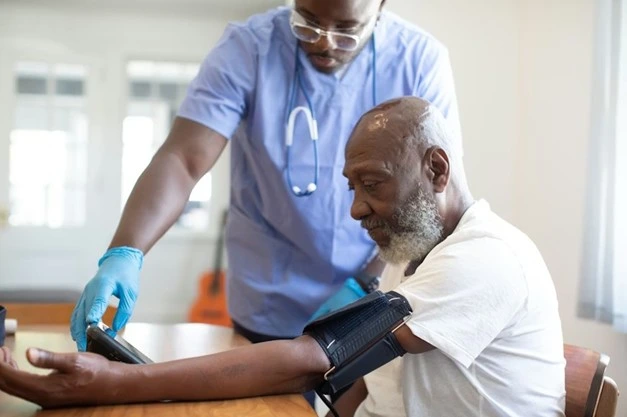
Are you interested in bringing affordable, reliable healthcare to underserved communities? Mobile health clinics may be the solution your healthcare practice needs.
Medical vehicles for healthcare practices are no longer a "nice to have." They're fast becoming a "need to have."
Here's why:
Millions of Americans living in cities still face substantial barriers to care. Transportation difficulties, wait times, and a lack of local facilities prevent people from accessing the healthcare they need.
Mobile health clinics are here to change that.
In This Guide:
- Why Mobile Health Clinics are Essential for Urban Healthcare
- 5 Benefits of Mobile Clinics for Medical Practices
- 5 Ways Mobile Clinics Reduce Healthcare Costs
- 9 Services Mobile Health Units Can Provide
- The Mobile Clinic Business Model: Is It Sustainable?
- The Steps to Start Mobile Healthcare Services
Why Mobile Health Clinics are Essential for Urban Healthcare
Mobile health clinics are exactly what they sound like. They are literally medical vehicles on wheels. Vans, buses, and trailers that go to neighborhoods in need and provide care.
Not to patients who have to travel there… but to patients where they are.
Statistics show there are currently about 2,000 mobile health clinics operating across the U.S. together serving 7 million at-risk individuals annually. Impressive numbers.
Healthcare providers hoping to broaden their reach into urban neighborhoods should strongly consider purchasing a medical vehicle for sale, especially from companies like Craftsmen Industries, Inc., to customize for the unique services they provide. Purpose-built medical vehicles for healthcare practices can offer everything from primary medical care to dental services, right in the neighborhoods that need it most.
Pretty incredible, right?
The real value is that mobile clinics are flexible. A healthcare provider can tailor their vehicle and the equipment inside to the services required. Maternal care, chronic disease management, and preventive screenings can all be done by these mobile medical vehicles for healthcare practices.
5 Benefits of Mobile Clinics for Medical Practices
But why would any healthcare organization care?
Mobile clinics deliver several significant advantages that make them worth the investment.
Reach Underserved Populations
One of the main reasons for starting a mobile health clinic is that you can reach the people who need healthcare the most.
It's one of those funny little statistics most providers don't understand…
Mobile clinics overcome many of the barriers that keep people from seeking care. Lack of transportation and unaffordable travel costs can be overcome by bringing the service to the neighborhood.
Research shows that 41% of mobile clinic clients are uninsured, while 59% are minorities. Those who need the healthcare most, have the hardest time getting it.
And mobile clinics are there to fill that gap.
Build Trust with the Community
Wait, there's another thing most healthcare organizations don't think about… Trust is critical.
Mobile health clinics that show up on a consistent basis in the same communities week after week have a unique opportunity. An opportunity to build relationships with those who need care the most.
The people of a community see the same faces coming into the neighborhood, time after time. Slowly, trust is built.
This, in turn, can lead to:
- Higher engagement by the patients.
- Better health outcomes for those patients.
- More follow-up visits with the practice.
Trust is valuable, and it's hard to buy. Mobile clinics offer a chance to develop it organically in the neighborhoods you serve.
Increase Brand Awareness
Mobile clinics are moving billboards for the healthcare practice that owns them. Every time that vehicle is on the street and in a community, it's advertising.
The public sees that mobile health vehicle. They see the logo on it. And they associate the vehicle with the healthcare organization providing the service.
Better than any ad campaign, really.
5 Ways Mobile Clinics Reduce Healthcare Costs
Mobile health vehicles are great for patients in underserved communities. But they're also beneficial for the practice's bottom line.
Studies from Mobile Health Map show that every $1 invested saves $12 in healthcare costs. An amazing 12 to 1 return on investment.
How does that happen?
Mobile clinics can address many problems plaguing the modern healthcare system.
Early detection through preventive screenings. Care management before things get to an emergency. And fewer unnecessary ER visits.
Mobile clinics can also improve access to primary care for those most in need. One study from the American Journal of Preventive Medicine found that mobile clinic patients had a 32% decline in heart attack risk and a 45% decrease in stroke risk. After receiving regular blood pressure monitoring.
Saving money is nice. Saving lives is priceless.
Services Mobile Health Units Can Provide
The next question is, what services can mobile clinics actually deliver? The services offered in mobile health clinics range from basic primary care to more specialized treatments. Common service lines include:
- Primary care
- Preventive screenings
- Dental care
- Maternal care
- Mental health
- Vaccinations
The key is to make sure the vehicle matches the services being offered. A simple screened-in mobile clinic won't have the same equipment as one that's designed for mobile dentistry.
The community being served should also dictate the type of services available. A mobile health clinic provider should conduct a needs assessment before even considering starting a mobile healthcare program.
The Mobile Clinic Business Model: Is It Sustainable?
Here's what hospital executives need to understand…
Mobile health clinics are more than a community service. They're a business opportunity.
If the program is structured and designed correctly, mobile clinics can produce an ongoing revenue stream while serving at-risk communities.
How do you charge for a mobile clinic service? There are many ways to make money with a mobile health program.
- Insurance reimbursement for Medicaid, Medicare, and private insurance companies.
- Grants from federal, state, and charitable organizations.
- Fees from hospital systems to divert ER overcrowding.
- Contracts with local employers to service their staff.
It's a growing market, too. Current estimates for the global mobile clinics market value it at $2.57 billion. Industry analysts project that this will expand to $4.83 billion by 2031.
Smart healthcare organizations know this. Mobile clinics are one of the ways to extend the reach of their care while not building or paying for new permanent sites.
Steps to Start Mobile Healthcare Services
So how can a medical practice, healthcare organization, or hospital system start mobile healthcare services?
There's a process to building a successful mobile healthcare program. Follow these basic steps to begin.
Identify the need in the community
Talk to community organizations and local civic leaders. Ask them what healthcare services are lacking in their neighborhood. You need to have a problem to fix.
Choose the right vehicle
Mobile medical vehicles for healthcare practices don't come in one size fits all. The type of vehicle purchased depends on the services being offered. You can't offer dental care in a basic screened-in van.
Identify sustainable funding sources
Mobile clinics are not cheap. Purchasing the vehicle, outfitting it with equipment, and maintaining it costs money.
Grant funding, charitable giving, and partnerships are all essential to ensuring the program's success over the long term.
Partner with local organizations
Building trust in a neighborhood means partnering with other trusted entities. Local schools, churches, and neighborhood groups are all good places to partner.
Measure outcomes
Mobile clinics should track everything. Number of patients served, health outcomes, and overall cost savings should be measured to demonstrate value and return on investment.
Bringing It All Together
Mobile health vehicles are no longer a niche solution to a healthcare problem. They are a proven way to extend a practice's reach into underserved urban communities.
Mobile health clinics offer quality, affordable care to those who need it most. They can build trust in a way that few other healthcare organizations can. And they can do this while providing a return on investment that traditional healthcare practices struggle to match.
Medical vehicles for healthcare practices are fast becoming an essential element of any medical provider's mission to bring care to everyone who needs it.
Summary:
- Mobile clinics serve 7 million patients per year.
- Mobile units reduce healthcare costs through prevention.
- Mobile health vehicles can provide many services.
- The mobile clinics market is big business with a growing market.