Enhancing Workplace Safety with Accessible Defibrillator Cabinets
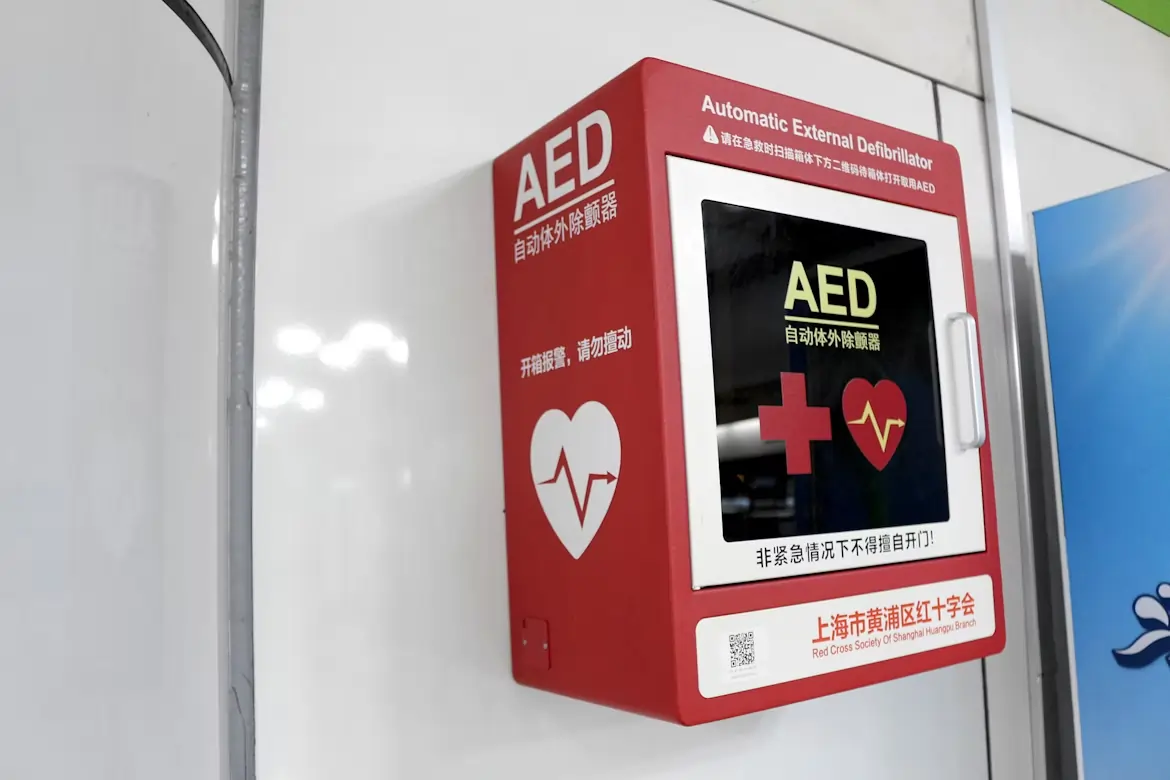
Want to make your workplace as safe as it can be?
Did you know that there are 10,000 workplace cardiac arrests every year? A cardiac arrest in the workplace that could be prevented by having immediate access to a defibrillator.
Recent statistics show that 90% of workplace cardiac arrests are survivable with immediate defibrillation. However, if that life-saving equipment is not accessible this number can drop by 50%.
The good news?
Installing safe cabinets for workplace defibrillators will help you improve the response time to a cardiac arrest in the workplace, which could potentially save lives.
In this article, you'll learn everything about workplace defibrillator safety. I'll show you:
- What to do when it comes to workplace defibrillator statistics.
- Why cabinet accessibility is important.
- How to choose the right defibrillator cabinet.
- Installation best practices.
- Maintenance and compliance requirements.
Let's jump in right away...
Workplace Defibrillator Safety: What You Need to Know
Workplace safety is not just about wearing hard hats, helmets, gloves, and following safety protocols.
It's also about being prepared for the unexpected.
15% of all out-of-hospital cardiac arrests happen in the workplace. Often people who suffer cardiac arrests have no previous history of heart disease or known conditions.
Here comes the scary part.
Did you know that when someone is in sudden cardiac arrest their chance of survival decreases 10% for every minute that they do not receive defibrillation?
This is why it is of utmost importance that defibrillator cabinets in the workplace are properly installed and present throughout your facilities. For comprehensive cabinet solutions, visit www.turtledefibcabinets.co.uk to check out their line of quality defibrillator cabinets that keep your life-saving equipment safe, highly visible, and instantly accessible when every second counts.
Let's take a look at what makes a cardiac emergency in the workplace so dangerous:
- 85% of the time, there are no symptoms of an impending cardiac arrest.
- Cardiac arrest victims will typically collapse and become unresponsive.
- Death usually occurs within 10 minutes if the defibrillator is not used.
Why Cabinet Accessibility Makes All the Difference
Don't you think that cabinet accessibility does not matter when it comes to emergency equipment?
You would be very wrong. It does matter.
You can buy the best defibrillator money can buy. But what is the point when it is stuck behind the coffee machine on top of a shelf, hidden away in the break room. When someone collapses you want everyone present to know where your AED is immediately.
During times of panic and stress, like when someone collapses unconscious, our ability to think clearly is compromised. During an emergency, people need to know where your AED is immediately.
Visible defibrillator cabinets solve the problem of not being able to find the AED. They:
- Add visibility by using bright colors, clear signage and large cabinet doors that cannot be missed
- Protect the AED from weather conditions that will render the AED useless
- Secure your AED from theft while maintaining access during an emergency
- Meet all ADA requirements with proper mounting height and design
Survival rates can be as high as 90% if the defibrillator is used within the first minute. Although that only occurs if the cabinet is truly accessible.
Choosing the Right Defibrillator Cabinet
Not all defibrillator cabinets are the same.
The best defibrillator cabinets are the ones that will be the most visible, accessible and that will protect your AED when it's not in use.
Indoor Cabinets
Indoor defibrillator cabinets are best for office buildings and warehouses. Visibility and access is the priority when cabinets are located indoors.
Indoor cabinet design elements include:
- Clear viewing windows
- Bright LED cabinet signage
- Audible alarms when opened
Outdoor Cabinets
Outdoor cabinets are crucial for construction sites and outdoor working environments. An outdoor cabinet needs to protect the AED from harsh weather conditions while keeping it functional.
Look for these features:
- IP66 Weather resistance rating
- Temperature control
- Theft-deterrent features
Alarmed vs. Non-Alarmed
Alarmed cabinets will alert people to an emergency. Non-alarmed cabinets are best for quiet environments where the alarm might cause confusion.
The bottom line? Choose cabinets that best fit your workplace conditions and meet your employees needs.
Installation Best Practices That Save Lives
Installing defibrillator cabinets improperly can cost lives. If the cabinet is not installed properly your AED will not be accessible to everyone, including people with disabilities.
Height Requirements
The Americans with Disabilities Act has specified mounting height requirements:
- Forward approach: Cabinet handles should be no higher than 48 inches above ground.
- Side approach: Cabinet handles should be no higher than 54 inches above ground.
- Wall protrusion: The cabinet cannot project more than 4 inches away from the wall surface.
Location Strategy
Installing defibrillator cabinets in the right location will help decrease response time. Consider installing cabinets in:
- High-traffic areas like lobbies, break rooms, hallways
- Adjacent to fitness facilities and large meeting spaces
- No more than 3 minutes walking distance from all work areas
Visibility Factors
Your cabinet should be very visible.
You can increase cabinet visibility by:
- Installing at eye level when possible
- Using contrasting wall colors and sufficient lighting
- Adding directional signage throughout the facility
Keep the 3-minute rule in mind. Anyone at your facility should be able to get to an AED within 3 minutes.
Maintenance and Compliance Requirements
Installing a defibrillator cabinet is only the first step…
Maintenance is critical to ensure your life-saving equipment is ready when you need it. Neglecting routine maintenance could mean that your AED will not work when someone depends on it.
Monthly maintenance should include:
- Checking readiness indicators and visual inspection for damage.
- Checking battery levels and inspecting pad expiration dates.
- Testing cabinet alarms and locks.
Compliance Considerations
OSHA does not require AEDs in the workplace. However, many states have laws requiring defibrillators in certain industries. Please check your state for compliance requirements.
Areas of compliance to consider:
- Employee training and emergency response plans
- Medical oversight and record keeping
Create an Emergency Response Plan
Having a defibrillator cabinet is only part of the solution. The other part is a comprehensive emergency response plan. Your plan should detail how to respond to a medical emergency and where AEDs can be found.
Regularly train your employees. Studies show that trained responders can significantly improve outcomes.
The Real Cost of Not Having Accessible Defibrillator Cabinets
Let me be blunt about this…
There is a real cost to not having accessible defibrillator cabinets in your workplace. I am talking about the real cost of human life.
Let's look at some facts:
- Only 44% of workplaces have defibrillators in them
- Survival rate after a workplace cardiac arrest are below 5% when there is no immediate intervention
- Risk of legal liability without adequate safety equipment
The financial costs include:
- Workers' compensation insurance claims
- Lost productivity
- Injured and disabled employees
- Damage to company reputation
Compare the above to the relatively small cost of installing quality defibrillator cabinets. The choice here is clear.
Making Your Workplace Truly Heart-Safe
Making your workplace truly heart-safe goes beyond purchasing defibrillator cabinets.
You also have to choose the right cabinet, install them in the right locations and perform maintenance regularly.
Your workplace heart-safe checklist:
- Install cabinets no more than 3 minutes away from all work areas
- Train key personnel in using AEDs
- Develop and document written emergency procedures
- Schedule regular maintenance and inspections
Visibility and proper signage should also be considered. A cabinet, no matter how strategically placed, will not be effective if people don't know where it is.
The best part is that once you get it in place it is minimal work moving forward.
Wrapping It All Together
Accessible defibrillator cabinets are not just safety equipment. They are like life insurance for your business.
With 10,000 workplace cardiac arrests happening every year, having the cabinets properly installed could mean the difference between life and death.
It is a small investment when lives are on the line. You will have employees who feel that your workplace is a truly safe place to work.
Don't wait until it's too late.
Cardiac arrests happen at any time without warning. You need to be prepared and your response in the critical first minutes will determine the outcome.
Take action today to make your workplace as heart-safe as possible. A life will depend on it.